A Rainy Saturday with One Plan and Plenty of Room
Plan a rainy Saturday around one indoor activity, with clear boundaries and room to change course, so the day feels restful rather than overplanned.

A rainy Saturday plan works best when it makes room for the weather to shape the day, not when it asks you to fill every hour. Choose one satisfying activity, give it a clear stopping point and let the surrounding time respond to how you feel.
That might mean baking a loaf, visiting a gallery or reading somewhere beyond your usual chair. The aim is not to follow a perfect plan; it is to give the day a centre without making every moment report for duty.
What should the main plan make possible?
Choose an activity for the experience you want: absorbed, cosy, curious or gently out of the house. A matinee, a walk through a covered market or a single recipe can each give the day shape without demanding a string of extra tasks.
Set a natural boundary before you begin. A film has an ending; a gallery visit can finish when you have seen the rooms that interest you; a baking session can stop when the loaf is cooling. That boundary makes it easier to put the activity down without feeling that the day is unfinished.
Say you have flour, carrots, stock and a soup recipe on hand, but little appetite for a kitchen marathon. You decide to make the soup, gather those ingredients, cook until it is ready, then leave the kitchen as it is rather than adding cupboard sorting. The expected result is a meal and a defined stretch of activity, with the rest of the afternoon still available for rest or a change of mood.
How can you make a rainy Saturday plan fit the weather?
Keep the practical details close to the chosen activity. For a gallery visit, check its opening information, take an umbrella and wear shoes suited to wet pavements. For a home activity, put the book, sketchpad or recipe where you can reach it without turning preparation into a separate project.
Give journeys and transitions some breathing room. Rain can slow a walk, and coming home with a damp coat may call for a pause before anything else. A towel by the door and dry socks can make that transition more comfortable without adding a schedule.
Check only what could change the decision to go. If the venue is open and the route feels manageable, set off; if it is closed or the weather makes the journey unappealing, choose a home activity instead.
What can the morning look like without a fixed start?
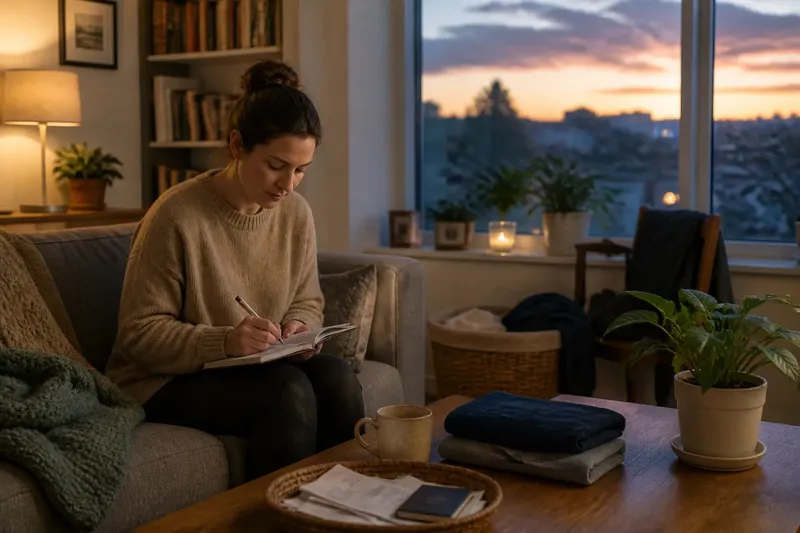
Let the first part of the day arrive before deciding exactly how it will unfold. Make tea, open the curtains and see whether the rain is a soft patter or a hard drum against the glass. A slow morning is part of the plan, not time you need to recover later.
If the activity needs preparation, do only what supports it. Set out pencils and paper for drawing, or check a recipe and gather its ingredients. Leave unrelated chores alone unless you deliberately choose one; otherwise, a laundry basket or cleaning cloth can quietly recruit the whole morning.
Keep breakfast simple and let quiet minutes stay quiet. An unfilled stretch does not need an explanation.
How can you leave room for the plan to change?
Rain may ease, grow heavier or stop altogether. Treat that shift as useful information: you might stay in, take a short walk during a break in the clouds or head home earlier than expected.
Keep a few options available without turning them into backup assignments. A familiar film, a puzzle, music or a nap can be there if you want it. If the planned activity loses its appeal, put it away and let the next hour remain open rather than replacing it with another obligation.
If a small chore would genuinely make the evening easier, choose that job alone and stop when it is done. Otherwise, leave the open space open.
What should you eat and keep close at hand?
Let food support the day rather than compete with it. Soup, toast, leftovers or a simple takeaway may suit; if cooking is the main activity, let that meal be enough kitchen work for now.
Think about comfort in ordinary, useful details: a warm drink after an outing, a towel for a damp coat or a lamp beside your reading chair. These small preparations can make settling in easier without turning comfort into another project.
What do readers ask about a rainy Saturday plan?
What is a good indoor activity for a rainy Saturday?
Choose something that fits your energy and does not require elaborate preparation, such as baking one recipe, reading at a café or making a small craft. A clear stopping point helps keep it enjoyable rather than sprawling.
How do I keep a flexible day from becoming a task list?
Name the activity you would most like to do and leave the surrounding time unassigned. If a chore matters, choose one specific job and stop when it is complete.
What if I change my mind about going out?
Change the plan to suit the day you are having. Swap the outing for a home activity, or set the activity aside entirely if rest sounds better.
How should I prepare for a rainy-day outing?
Check that the place is open, take an umbrella and choose shoes that feel comfortable on wet pavements. Allow time for the journey, but avoid attaching extra stops unless you genuinely want them.
Near the end of the day, notice which part felt easiest to return to: the outing, the quiet morning or the freedom to change course. That small observation can help you choose a more fitting rainy Saturday plan next time, without turning the choice into a rule.